What if your commute, lunch spot, and weekend plans all started from your own dock? If you’re drawn to Fort Lauderdale’s canals, you already know the pull of a life built around the water. Still, matching your boat and lifestyle to the right neighborhood takes more than a love of salt air. In this guide, you’ll learn how the waterways connect, where you can dine and refuel by boat, which rules and bridge schedules matter, and how to vet a canal-front property with confidence. Let’s dive in.
Why Fort Lauderdale works for boaters
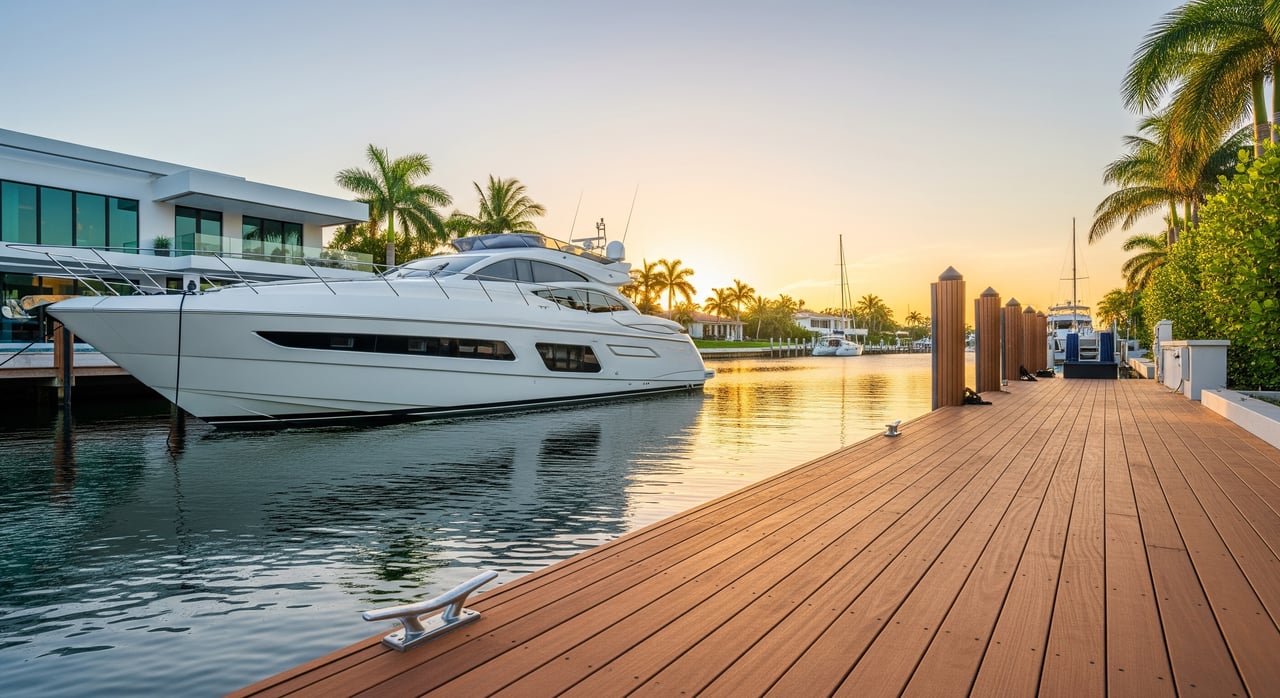
Fort Lauderdale is a true boating city. Local tourism materials cite roughly 165 miles of navigable waterways that weave through residential areas and connect to the Intracoastal Waterway and the Atlantic. You see the culture the moment you arrive: docks along quiet canals, fuel docks on the ICW, and a steady flow of center consoles and yachts heading out for the day. That scale and convenience are why the city is known as a hub for on‑water living.
- The Intracoastal Waterway runs north to south and is your main highway for longer runs and marina access.
- The New River, Middle River, and smaller canals lead you from neighborhoods to the ICW and Port Everglades inlet.
- Port Everglades provides maintained ocean access for fishing and cruising.
You also benefit from a deep marine economy. The city hosts world-class yards and services, including refit and haul-out capabilities at places like the Lauderdale Marine Center, and the annual Fort Lauderdale International Boat Show highlights just how robust the industry is here. For daily life, that means reliable dockage options, skilled marine trades, and easy sourcing for parts and supplies.
For an overview of the waterways and local boating culture, start with Visit Lauderdale’s boating resources.
Day-to-day boat living
Marinas and slip options
You’ll find a range of choices, from full-service marinas to private residential docks. Options include:
- Full-service marinas and yards with fuel, pump-out, shore power, laundry, security, and on-site or nearby mechanics.
- Residential and community docks within canal neighborhoods.
- Transient and guest slips for short stays and visitors.
- Liveaboard-friendly marinas versus day-use facilities.
When choosing a slip, match your boat’s length overall, beam, draft, and air draft to the facility’s limits. Ask about power availability, hurricane prep services, winter storage options, and security. If you plan to travel often, consider proximity to the ICW and the inlet.
Dining by boat
Fort Lauderdale embraces dine-by-boat culture. Waterfront restaurants and public tie-ups make it normal to arrive by water for lunch, sunset drinks, or a night out.
Practical tips:
- Call ahead or check dock policies for maximum length, time limits, and any patronage requirements.
- Keep fenders and lines ready for quick stern-to or bow-to tie-ups; a stern anchor can help for short, stable stops.
- Confirm depth and wind direction before approaching smaller docks, especially in narrow canals.
Common routes and timing
Local routines are simple but rewarding:
- Quick ICW runs to waterfront dining and nearby marinas.
- Day trips out Port Everglades for inshore or offshore fishing and coastal cruising.
- Sightseeing loops along the New River and Las Olas canals for access to downtown and cultural spots.
Plan your timing with tides and currents, especially around the inlet. Before an ocean run, check NOAA Tides and Currents for favorable conditions. In narrow canals and shallow sections, proceed slowly and watch for posted speed limits.
Practical constraints to plan around
Bridges and clearances
You will encounter both fixed bridges, which have set vertical clearances, and movable bascule bridges that open on request or on schedules. Most movable bridges in Fort Lauderdale will open for vessels, but many operate with rush-hour or event restrictions. Know your boat’s air draft and verify clearances on your route.
For current operating notices and scheduled changes, consult the U.S. Coast Guard Local Notices to Mariners. Bridge rules can vary, so build a few extra minutes into any plan that involves openings.
Permits, docks, and seawalls
If you plan to build or modify a dock, lift, or seawall, expect permits from the city and possibly the county and state. Homebuyers should confirm whether an existing dock was permitted and whether future changes are allowed. The safest approach is to engage a licensed marine contractor and speak with local permitting offices early. Confirm lift capacity, dock dimensions, and dredge depth, and have a professional inspect the seawall condition.
Safety, speed zones, and wildlife
The ICW and local canals have posted speed zones, with many idle or no-wake areas near docks and in manatee protection zones. You are responsible for adhering to U.S. Coast Guard navigation rules and Florida state law.
- Review Florida boating requirements and safety gear lists via the Florida Fish and Wildlife Conservation Commission.
- Refresh your knowledge of navigation rules with the U.S. Coast Guard Navigation Rules.
Carry required equipment, maintain proper lookout and safe speed, and be courteous in narrow channels. Respect wildlife, posted signs, and other residents’ docks.
Insurance, flood risk, and resilience
Canal-front property introduces more variables for insurance. Many homeowners maintain both homeowners coverage and separate hull insurance for the boat. If a property lies in a FEMA-designated Special Flood Hazard Area and you finance the purchase, flood insurance may be required.
- Start with the FEMA Flood Insurance program to understand coverage and map basics.
- Explore Broward County’s resilience planning to understand how local agencies are addressing sea-level rise and tidal flooding. The county’s resilience resources are a good primer.
When evaluating a property, check the seawall’s age and condition, dock materials, elevation, and drainage. These details can influence insurability, ongoing maintenance, and financing.
Match your boat to the right canals
Choosing a neighborhood starts with your boat’s profile and how you plan to use it. Boat length, beam, draft, and air draft will determine what is practical.
Deep-water, ocean-access areas
These areas typically offer larger docks, full-size lifts, and easier runs to the ICW and inlet. They fit owners who plan frequent offshore trips or run larger powerboats and yachts. Expect fewer height constraints and more straightforward navigation to Port Everglades.
Small-canal residential pockets
Here you find narrower canals and tighter turning space with shallower depths. It is a quiet, residential feel, better suited to smaller powerboats and center consoles. You will need to pay closer attention to speed zones and turning room.
Mixed-use, downtown and Las Olas
These areas are ideal if you want to be close to dining, nightlife, and cultural events, all reachable along the New River and adjacent waterways. You will see more public docks and visiting slips, and more boat traffic during peak times.
Marina-centric living
Some residences are adjacent to or integrated with marinas. This appeals to owners who value dockhand assistance, on-site maintenance, and reduced personal upkeep. Transient slips may be available for guests, and services like pump-out and fuel are typically nearby.
Homebuyer checklist for canal living
Use this list to focus your search and due diligence.
- Measure your boat’s LOA, beam, draft, and air draft. Match them to canal depths, turning basins, and bridge clearances.
- Time a test route to the ICW and Port Everglades inlet. Note bridges, speed zones, and tide windows.
- Inspect the dock and seawall. Confirm permits, materials, age, and condition. Get a marine contractor’s report on load capacity and any dredge needs.
- Confirm lift capacity and power. Verify power availability and amperage, especially for larger boats with 50A service needs.
- Ask about storm prep and storage. Understand hurricane procedures and whether marina haul-out or tie-up plans are available nearby.
- Review local rules. Check HOA or municipal rules for guest tie-ups, rentals, and commercial charter activity.
- Plan for insurance. Get quotes for homeowners, flood, windstorm, and boat policies early in the process.
- Map daily life by water. List your routine stops by boat and confirm depth, dockage, and time limits.
How to plan your typical week on the water
Here is a simple framework to make water the center of your week without friction.
Set your home port rules. Establish standard fender and line setups, a preferred fueling spot, and a basic stowage list so every departure feels easy.
Map three go-to routes. Choose a short loop for weekday sunsets, a lunch run to a favorite dock-and-dine spot, and a day trip that includes the inlet for clear-water runs. Save waypoints on your chartplotter.
Watch tides and bridges. Check tides in the morning and scan the Coast Guard notices for any temporary changes. Plan departures around likely bridge openings to limit waiting.
Keep a service calendar. Schedule pump-out, detailing, and maintenance the same way you schedule car service. Group errands by boat along the ICW.
Respect the neighborhood. Idle where posted, avoid late-night noise, and treat every dock like it belongs to a neighbor. Courtesy keeps the waterways enjoyable for everyone.
What to expect when you tour canal homes
A thoughtful showing goes beyond the kitchen and bedrooms. You want to experience the property from the water.
- Walk the dock edge-to-edge. Look for uneven decking, corrosion on hardware, and any signs of settlement along the seawall.
- Assess approach and turning room. Visualize how you would arrive and depart in various wind and current conditions. Consider dock orientation relative to prevailing winds.
- Confirm utility points. Check shore power placement, hose bibs, lighting, and safe access to lines and cleats.
- Review records. Ask for dock and seawall permits, any maintenance history, and details on prior storm preparations.
- Verify access. Note the distance to the ICW and inlet, number of bridges, and any fixed-clearance constraints.
If you are comparing two strong options, the right choice usually aligns your boat size and routine routes with the easiest daily experience.
Work with a team that understands the water
Buying or selling along the canals demands attention to both lifestyle and technical details. You want clear guidance on dock permits, bridge realities, insurance, and the nuances of each neighborhood’s waterways. The Hector Valdes Team brings design-forward marketing, data-informed pricing, and concierge-level service to every listing and purchase, with the regional reach of Coldwell Banker backing your results.
If you are ready to find the right canal-front home or you want to position your property for a standout sale, connect with Hector A Valdes. We will align your goals, your boat, and the ideal address.
FAQs
What makes Fort Lauderdale ideal for boaters?
- The city features about 165 miles of navigable waterways connecting neighborhoods to the ICW and Port Everglades, plus a strong marine services hub and active dine-by-boat culture.
How do I plan around bridge openings on the ICW and New River?
- Know your boat’s air draft and check the U.S. Coast Guard Local Notices to Mariners for operating times and temporary restrictions before you depart.
What permits apply to docks, lifts, and seawalls in Fort Lauderdale?
- Most shoreline work requires city and possibly county or state permits; verify existing permits, and consult a licensed marine contractor and local permitting offices early in the process.
Which safety rules and speed zones should I expect on local canals?
- Follow Florida boating laws and posted idle or no-wake zones, especially in manatee areas; review requirements via the Florida Fish and Wildlife Conservation Commission.
How do tides and currents affect Port Everglades access?
- Tidal stage and inlet currents influence safe transit and comfort; check NOAA Tides and Currents and plan departures for favorable windows.
What insurance should I consider for a canal-front home and boat?
- Expect homeowners, flood, and windstorm coverage for the property and separate hull insurance for the boat; review basics with the FEMA Flood Insurance program and your insurer.