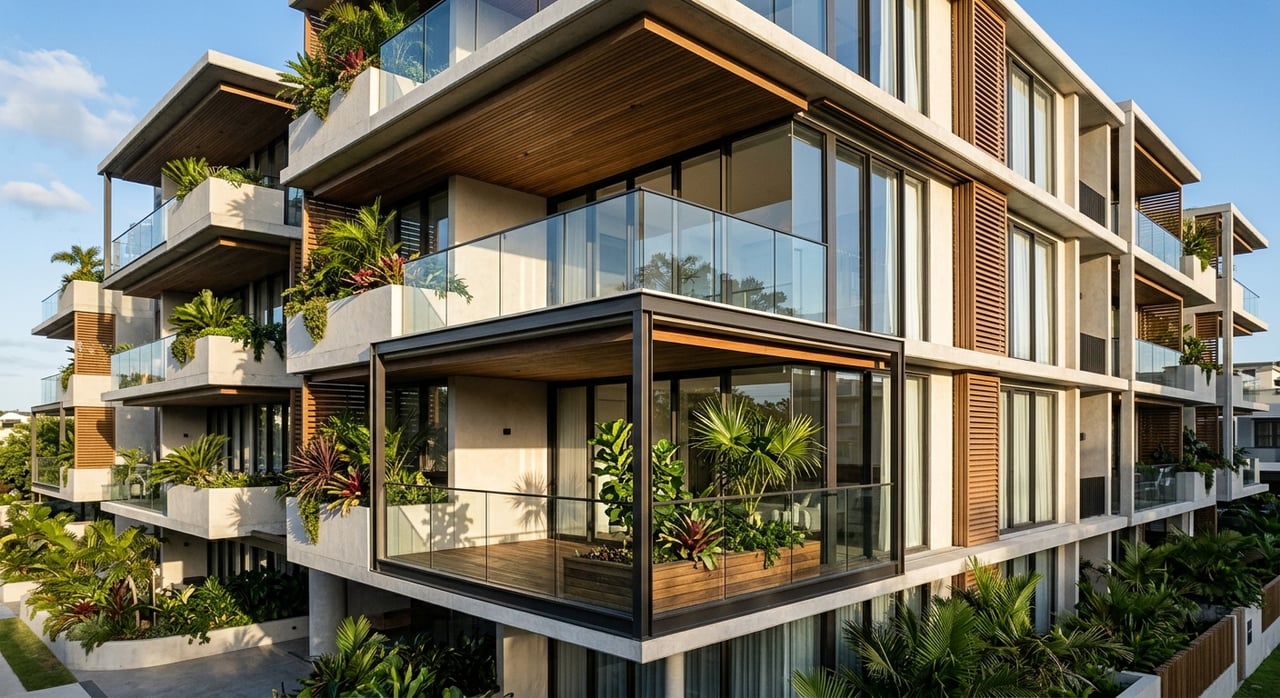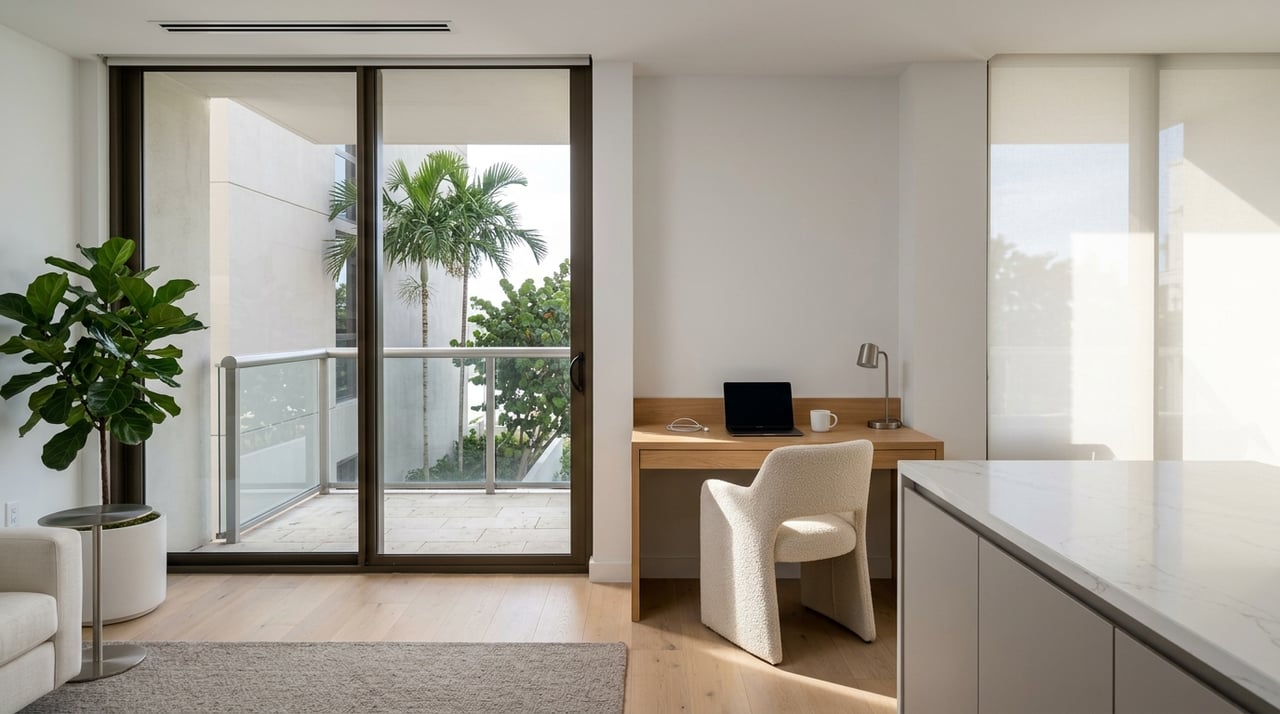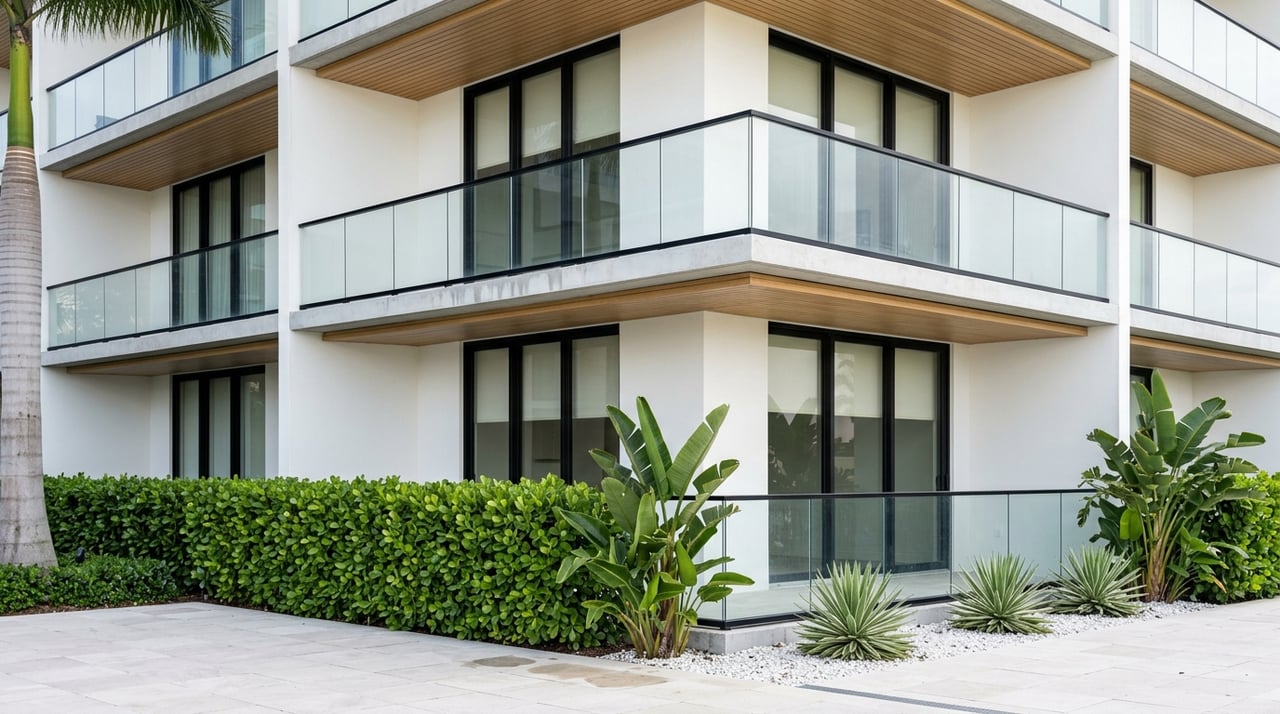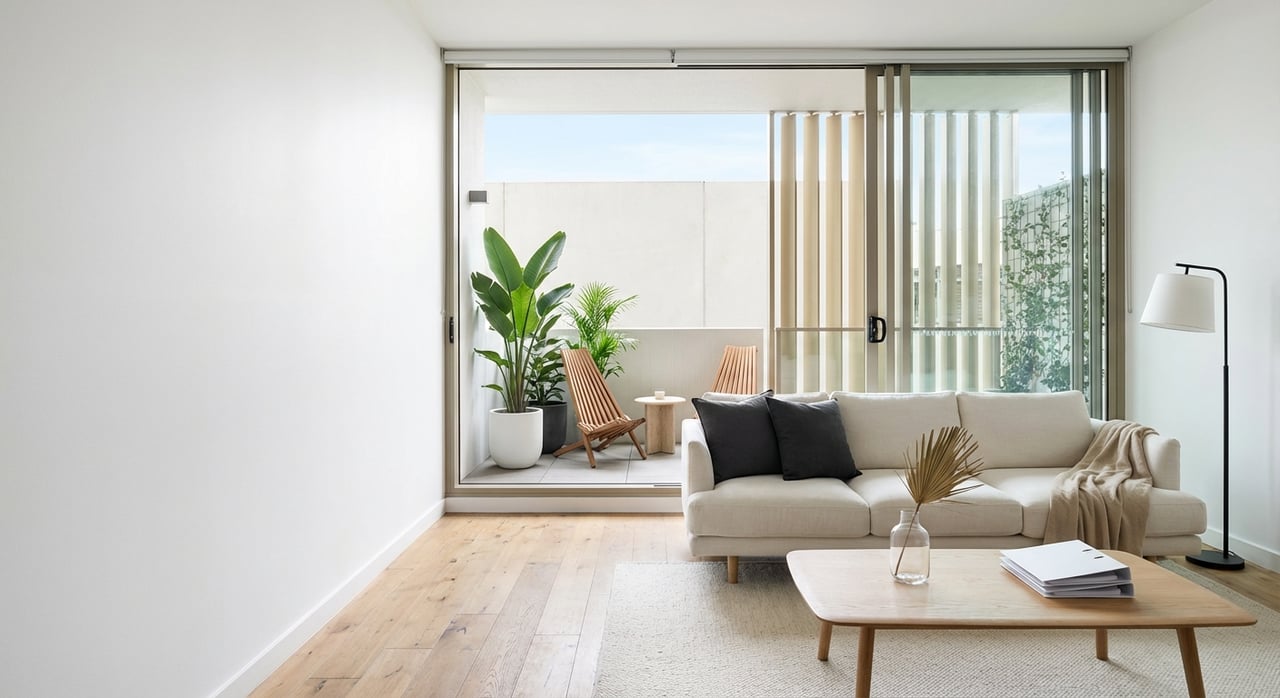
Thinking about selling your Miami condo but not sure where to start? In a market that blends cash buyers, international interest, and evolving building rules, details matter. With the right prep, presentation, and pricing, you can attract better offers and a smoother closing. This guide walks you through what to prepare, how to present, and when to list so you sell with confidence. Let’s dive in.
Know today’s Miami condo market
Miami-Dade’s condo market has shown resilience. Recent data reports several months of year-over-year price gains, even as inventory has grown enough to give buyers more choice. That mix creates a market where great presentation and smart pricing can set your unit apart. You can see this context in the latest update on Miami-Dade condominium sale prices rising.
A key Miami factor is buyer composition. Condos here still attract a high share of cash and international buyers compared with many U.S. markets. Local reporting also notes that a small share of South Florida condo buildings appear on the FHA-approved roster, which limits options for some mortgage buyers and affects pricing strategy. For context on buyer mix and financing dynamics, review this market commentary on millionaire growth and condo financing.
Who is likely to buy your unit
- Cash and second-home buyers often lead in luxury and view-driven buildings.
- Investor interest can be strong where rental rules allow it, but many buildings or municipalities restrict short-term rentals. Always confirm what is permitted.
- Mortgage-dependent buyers may be limited if your building is not eligible for FHA or VA, or if it does not meet conventional lending standards. If the buyer pool skews cash, shape your pricing and marketing accordingly.
Get your condo documents ready early
Florida’s Condominium Act sets specific resale disclosure rules and buyer cancellation rights. Timing and document completeness matter to your contract strength and days on market. You and your agent must provide core association documents within the required windows, and the contract language must follow statute. You can reference the law in Florida Statutes Chapter 718.
Build a “showing packet” so buyers and lenders get answers fast:
- Declaration, amendments, articles, bylaws, and rules.
- Most recent financial statement and current budget; any structural integrity reserve study, reserve study, or milestone inspection summary if applicable.
- Estoppel (resale certificate) showing amounts due, special assessments, fines, and transfer requirements. Florida law requires the association to deliver it within 10 business days after a proper request, with capped fees.
- Recent board meeting minutes that discuss large projects or special assessments.
- Master insurance declarations and any building flood policy information.
- If used as a short-term rental: registration/tax records and rental history, if permitted.
Tip: Include a flood-zone reference in your packet so buyers can review coverage needs. The FEMA Flood Map Service Center is a helpful resource buyers and insurers use.
Recertification and safety can move your price
After Surfside, Florida created milestone structural inspections for qualifying condo buildings. Miami-Dade integrates those rules with its long-standing recertification program. Many buildings must complete milestone or recertification inspections at 30 years (25 years for some coastal properties) and then every 10 years. Associations arrange and pay for these inspections. You can find county guidance on the Miami-Dade building recertification program.
Why it matters: a recent report identifying substantial repairs or a likely special assessment can shrink your buyer pool and reduce offers. The reverse is also true. A clean milestone summary plus funded reserves can differentiate your listing and support a premium within the comp set. Confirm your building’s status before you list and be ready to summarize it clearly in your materials.
Prep that pays in Miami units
Prioritize fixes that protect your sale and your buyer’s confidence:
- Safety and compliance first: address balcony railings, visible concrete spalling, water intrusion, or any conditions flagged in building reports. Document what is repaired or scheduled, and disclose as required.
- Systems and insurance-sensitive items: service HVAC, fix plumbing leaks, and address any electrical issues. Insurers often request 4-point or similar inspections for older properties. Provide recent maintenance receipts.
- Visual refresh: neutral paint, repaired flooring, updated cabinet hardware, modern light fixtures, clean grout, and tidy window coverings.
- Balcony and view presentation: power-wash, remove clutter, and add right-sized outdoor furniture to frame water or skyline views.
Typical costs to plan for:
- Small repairs and cosmetic prep: about $500 to $4,000 depending on scope.
- Professional staging for a 1-bed or 2-bed: commonly $1,000 to $4,000 for partial staging, with luxury staging higher. Industry surveys show staging helps buyers visualize and can shorten market time. See highlights in this NAR staging infographic.
Present like a pro
Miami’s buyer traffic is highly digital, and many prospects shop from out of state or abroad. Your listing should feel magazine-ready and easy to tour online.
- Staging: prioritize the living room, kitchen, and primary bedroom first. For areas like Brickell, Edgewater, and Miami Beach, show lifestyle in the staging plan: indoor-outdoor flow, balcony living, and amenity access. Research cited by NAR shows staging improves buyer visualization and often leads to faster sales. Review the NAR staging data highlights.
- Media mix: professional interior photography, a twilight or exterior hero shot where appropriate, a floor plan, and a 3D tour are now standard for higher-tier condos. Add a 30 to 60 second vertical video for social and a concise neighborhood reel. Consider drone for waterfront or site context, subject to building and local flight rules. Industry research shows that strong visuals and virtual tours increase views and can reduce time on market. See this summary on how photos and virtual tours increase engagement.
Price for the buyer pool you have
Not all buildings attract the same financing profile. If your building is non-warrantable, has low owner occupancy, pending litigation, or large assessments, the pool of mortgage buyers shrinks. Pricing and marketing should reflect that reality. It is best to call out non-warrantable features and rental rules early so you do not waste time on mismatched offers. For broader context on buyer mix and financing in the region, see this Miami market commentary.
Use these levers to position your condo within the comp set:
- Presentation premium: lean into staging and editorial-caliber media to justify your ask relative to nearby listings.
- Timing and exposure: list when your target buyer is most active. For second-home segments, winter season can be a high-attention window in many Miami corridors.
- Pricing psychology: position just under common search thresholds to rank well in MLS filters.
- Flexible concessions: be ready with full association documents and consider a fast closing window for cash buyers.
A 45-day plan to launch
- 30 to 45 days before listing: pull governing docs, budgets, and financials. Confirm any reserve or structural integrity reserve study and whether a milestone summary exists. Book staging and photography. Discuss ordering the estoppel as soon as strategy is set so you can meet timelines. Florida law gives associations 10 business days to deliver estoppels after a written or electronic request, with fee caps defined in statute. See Chapter 718 for details.
- 7 to 14 days before listing: complete staging, photos, 3D tour, floor plan, and your short-form video. Confirm building recertification or milestone status and whether any inspector summary or reserve study must be delivered under Florida disclosure rules.
- List day and first two weeks: launch with the full media package. Lead with your best features: view, balcony lifestyle, and favorable building compliance when applicable. Make the association packet available early to serious buyers and their lenders.
What to disclose and how
Florida’s Condominium Act governs what gets delivered to buyers and when. It also sets short windows for a buyer to cancel if required documents are missing or late. Align your timing and wording with your agent so you meet the statute and keep contracts secure. When you are transparent upfront, you reduce surprises during inspection and loan underwriting.
Ready to sell with strategy and style
You only get one first impression online. When you lead with complete documents, a clean unit, and editorial-caliber media, you meet Miami buyers where they are and give them reasons to act. If you want a plan tailored to your building, your buyer pool, and your timing, connect with Hector A Valdes to Request a Refined Market Analysis. Our team pairs design-led marketing with data-informed pricing and Coldwell Banker’s global reach so you can move forward with confidence.
FAQs
How long does my association have to deliver the estoppel?
- Florida law requires associations to issue an estoppel within 10 business days of a proper written or electronic request, with capped fees and defined effective periods.
Do milestone or recertification rules affect my sale?
- Yes. If your building requires a milestone or county recertification, the report or a summary must be disclosed at the required time and can influence buyer interest and pricing, especially if major repairs or assessments are likely.
Will staging and professional photos really pay off for a Miami condo?
- Industry research indicates staging helps buyers visualize the space and can shorten days on market, while quality photography and virtual tours increase online engagement and showing activity.
What if my building is not FHA approved?
- A small share of local buildings appear on the FHA-approved roster, which can limit options for mortgage-dependent buyers. Your strategy should focus on the most likely buyer profile and price accordingly.