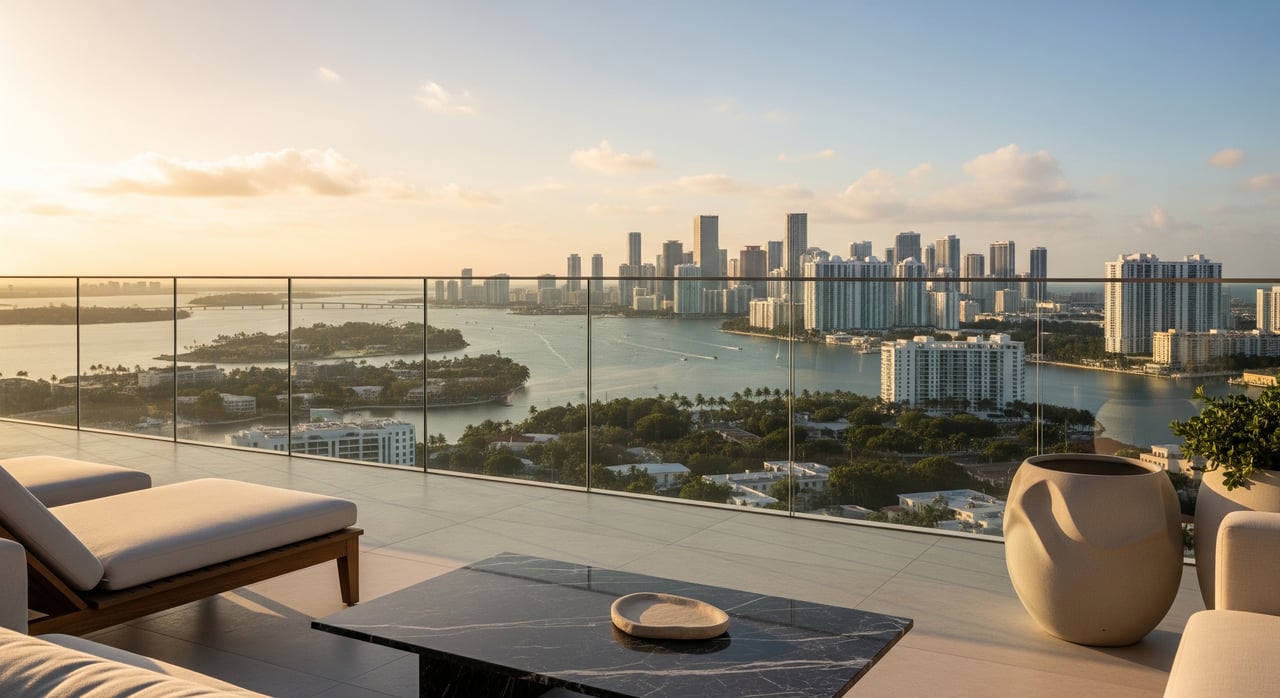
Torn between Brickell and Downtown Miami? Both promise skyline views, waterfront access, and a fast, connected lifestyle. If you are relocating or choosing a condo for work, investment, or a pied-à-terre, the right fit comes down to your daily routine, amenity priorities, and budget. This guide gives you a clear, side‑by‑side look at lifestyle, commute options, condo types and fees, rental rules, and a practical buyer checklist. Let’s dive in.
Quick take: what differs most
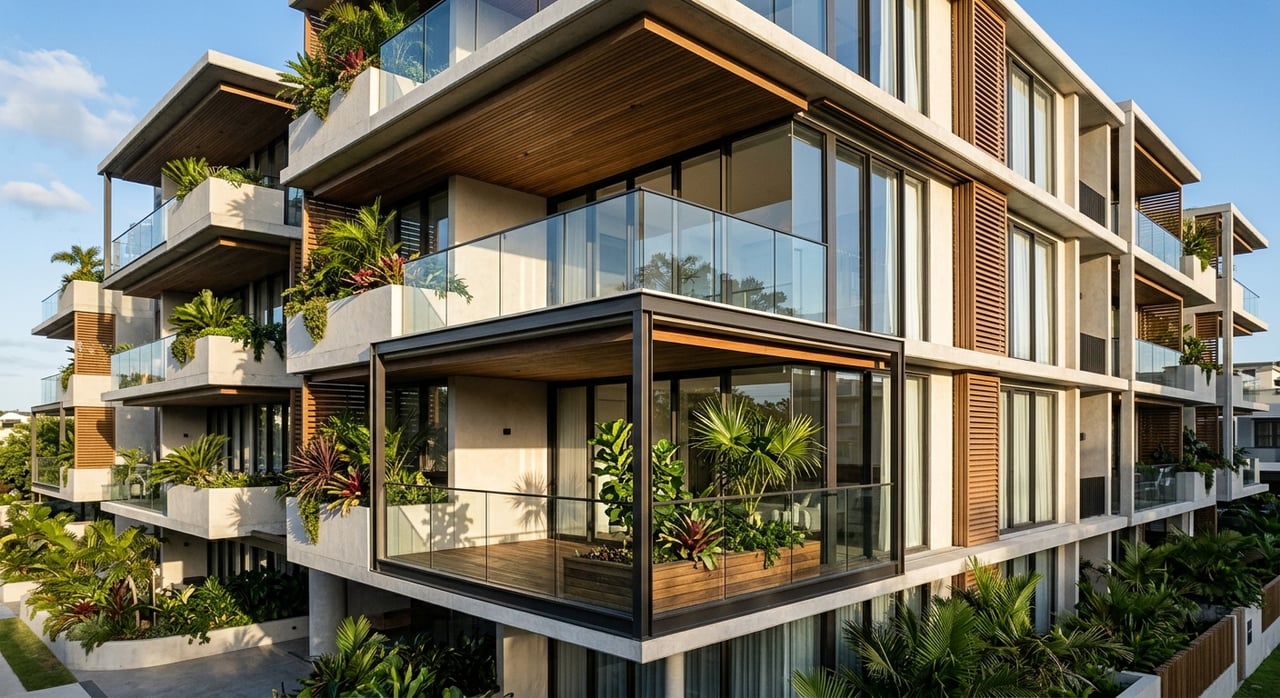
- Brickell is polished and vertical, with amenity‑heavy towers and a finance‑district energy. Best for short walks to office towers, curated retail, and luxury condo living.
- Downtown is broader and more eclectic, with civic spaces, museums, and a wider range of buildings and price points. Best for culture access, larger parks, and varied housing choices.
- Both are dense, walkable, and transit friendly. Driving and parking can be costly and congested in each.
Location and vibe
Brickell snapshot
Brickell sits just south of the Miami River, east of I‑95, and stretches toward Biscayne Bay. It is Miami’s long‑standing financial district, now evolved into a true live‑work‑play neighborhood. You will find modern office towers, high‑rise condominium buildings, and a core lined with upscale retail and dining. Brickell City Centre anchors much of the retail momentum and draws steady activity through evenings and weekends.
Downtown snapshot
Downtown spreads north and east of Brickell, centered on Biscayne Boulevard, Bayfront Park, Museum Park, and Government Center. It mixes government offices, cultural institutions, and a blend of older and newer residences. The feel is more civic and cultural, with museums and performance venues bringing steady foot traffic, and residential pockets that vary block to block.
Daily life and walkability
Errands and everyday convenience
Both neighborhoods are highly walkable. Many residents can handle daily errands on foot, with grocery stores, coffee shops, and services close by. Much of each area scores as a “Walker’s Paradise,” which aligns with Walk Score’s walkability framework. Brickell’s core has a compact street‑canyon feel with multiple shopping and dining choices in a tight radius. In Downtown, some residences sit slightly farther from grocery or retail nodes, especially closer to cultural and government corridors.
Dining, nightlife, and retail
Brickell skews upscale with rooftop bars, hotel restaurants, and well‑known chef concepts, especially around the core retail centers. You can find a lively after‑work scene tied to the professional workforce. Downtown offers a broader mix, from tourist‑facing restaurants near Bayside to neighborhood cafés and a range of international eateries. Cultural venues and events add steady evening activity across the calendar.
Parks and waterfront access
Downtown’s civic waterfront
Downtown shines for big, open waterfront parks. Bayfront Park and Museum Park frame Biscayne Bay and offer wide lawns, promenades, and event programming. These spaces, paired with nearby museums and the bayfront walkway, create a strong outdoor draw for residents who love morning runs, festivals, or casual bay views.
Brickell’s promenades and quiet edges
In Brickell, you will find smaller parks, segments of the Miami Riverwalk, and linear waterfront access. Brickell Key, just offshore, offers a quieter residential loop with bayfront views and a more relaxed pace. These spaces feel intimate, especially compared with Downtown’s large civic parks.
Buildings, amenities, and HOA fees
Brickell’s amenity‑heavy towers
Most Brickell condos are modern high‑rises with robust amenities. Doormen, valet, full gyms, pools, and lounges are common, and on‑site services can be extensive. Monthly maintenance fees often reflect these amenities and building age. Newer luxury towers tend to command higher ongoing fees.
Downtown’s wider mix and value range
Downtown offers everything from newer high‑rises to older buildings and a few mid‑rise conversions. You will see more variation in amenities and condition, which can translate to a broader range of price points and monthly fees. Some older buildings may have higher maintenance needs, so reviewing reserves and recent capital projects is essential.
Prices, inventory, and rentals
Relative pricing patterns
On average, Brickell typically commands a higher price per square foot, driven by newer luxury product and proximity to major employers. Downtown often includes more entry‑level options, thanks to its broader mix of building ages and amenity levels. Inventory and days on market shift with citywide cycles, and availability can vary by block and year.
Rental demand and short‑term rules
Rental demand is strong in both neighborhoods. Brickell often attracts corporate and professional renters. Downtown sees a mix of long‑term renters, corporate stays, and proximity‑driven demand from hospitality sectors. If you are investing, review condo documents for rental and short‑term restrictions, as rules vary by building. The City of Miami and Miami‑Dade County require proper licensing for short‑term rentals, so plan for compliance if that is part of your strategy.
Transportation and commutes
Transit that matters
Transit is a real advantage in both areas. The free Metromover loops through Downtown and into Brickell, which makes short commutes and lunch runs easy. Metrorail connects Government Center and Brickell stations to the countywide network and the airport transfer. For maps and schedules, check Miami‑Dade Transit resources.
Regional connections
If you travel within South Florida, the Brightline rail station at MiamiCentral sits right by Downtown. This intercity service connects you to Fort Lauderdale, West Palm Beach, and Orlando on a growing schedule. You can explore routes and tickets through Brightline’s official site.
Driving, parking, and micromobility
Driving is common but can be slow at peak hours in both neighborhoods, especially around ramps to I‑95 and major arterials. Many condo buildings include assigned parking, while street parking is limited and visitor garages can be expensive. Bike lanes and shared scooters are expanding, and options vary by corridor.
Risk, resilience, and insurance
Flood exposure and coverage
Brickell and Downtown sit in low‑lying, waterfront‑adjacent zones. You should verify a building’s flood zone, elevation, and any floodproofing measures before you write an offer. Use the FEMA Flood Map Service Center to understand risk at the building level, and evaluate coverage options and costs through the FEMA flood insurance program. Insurance premiums can materially change your monthly costs, so build this into your analysis.
Safety and public realm
As with any urban core, incident patterns change by block and time of day. Review the Miami‑Dade Police Department crime statistics tools to understand recent trends near your target buildings. Downtown’s civic spaces and Brickell’s entertainment corridors drive activity that may not reflect residential side streets. Public realm projects and placemaking initiatives, highlighted by the Miami Downtown Development Authority, can improve walkability and long‑term appeal.
What to check before you buy
Building due diligence
- Review HOA bylaws, rental and short‑term policies, pet rules, and recent meeting minutes.
- Request reserve studies, budgets, special assessments, and audited financial statements.
- Ask about recertification timelines, engineering reports, and any structural or elevation work.
- Confirm elevator reliability, service contracts, and major capital projects underway or planned.
Flood, insurance, and resilience
- Verify flood zone, property elevation, base flood elevation, and recent flood history.
- Price wind and flood insurance early, and assess any building‑level mitigation like pumps or raised systems.
- Understand how premiums and HOA master policies interact with your personal coverage.
Noise, views, privacy, and light
- Confirm view corridors and future development plans that could affect sunlight or skyline sightlines.
- Tour at night and on weekends to gauge nightlife noise around retail corridors.
Commute and daily routines
- Time your door‑to‑door commute during peak hours for both transit and driving.
- Test the Metromover or Metrorail routes you plan to use, including transfers and wait times.
Resale and liquidity
- Ask your agent for building‑level price per square foot trends and days on market history.
- Factor in HOA fees, rental restrictions, and building reputation, since these can narrow the future buyer pool.
Taxes and schools
- Review the property tax history and any local improvement district assessments.
- If schools matter for your plans, confirm public school assignments and proximity to childcare or parks. Compare options without assuming they mirror suburban patterns.
Which is right for you?
- Choose Brickell if you want luxury high‑rise living, a short walk to finance or corporate offices, and an amenity‑forward building with a polished retail and dining scene.
- Choose Downtown if you prioritize larger civic parks, museum and cultural access, and a broader range of condo types and price points within an urban center.
- You cannot go wrong on connectivity. Both neighborhoods score well for walkability, benefit from free Metromover access, and offer strong rental demand for future flexibility.
If you would like a personalized comparison that matches your budget, commute, and lifestyle, our team can help you weigh building‑specific data, HOA health, and true monthly costs. Connect with Hector A Valdes to Request a Refined Market Analysis and a curated tour of the best options for you.
FAQs
Is Brickell or Downtown more walkable for errands?
- Both offer strong walkability, with many daily needs within a short walk, and much of each area aligning with Walk Score’s walkability framework.
How do condo fees compare between neighborhoods?
- Newer, amenity‑heavy Brickell towers often carry higher monthly fees, while Downtown offers a wider range of buildings and fees based on age, amenities, and maintenance needs.
What transit connects Brickell and Downtown Miami?
- The free Metromover links both neighborhoods and connects to Metrorail at Government Center and Brickell stations; check routes and schedules through Miami‑Dade Transit.
What should investors know about short‑term rentals?
- Rules vary by building and local regulation, so you should review condo documents for rental restrictions and ensure compliance with city and county licensing requirements before you buy.
How does flood risk affect condos in these areas?
- Both neighborhoods are low‑lying and near the bay or river, so verify flood zones and elevation through the FEMA Flood Map Service Center and price coverage using FEMA’s flood insurance guidance.