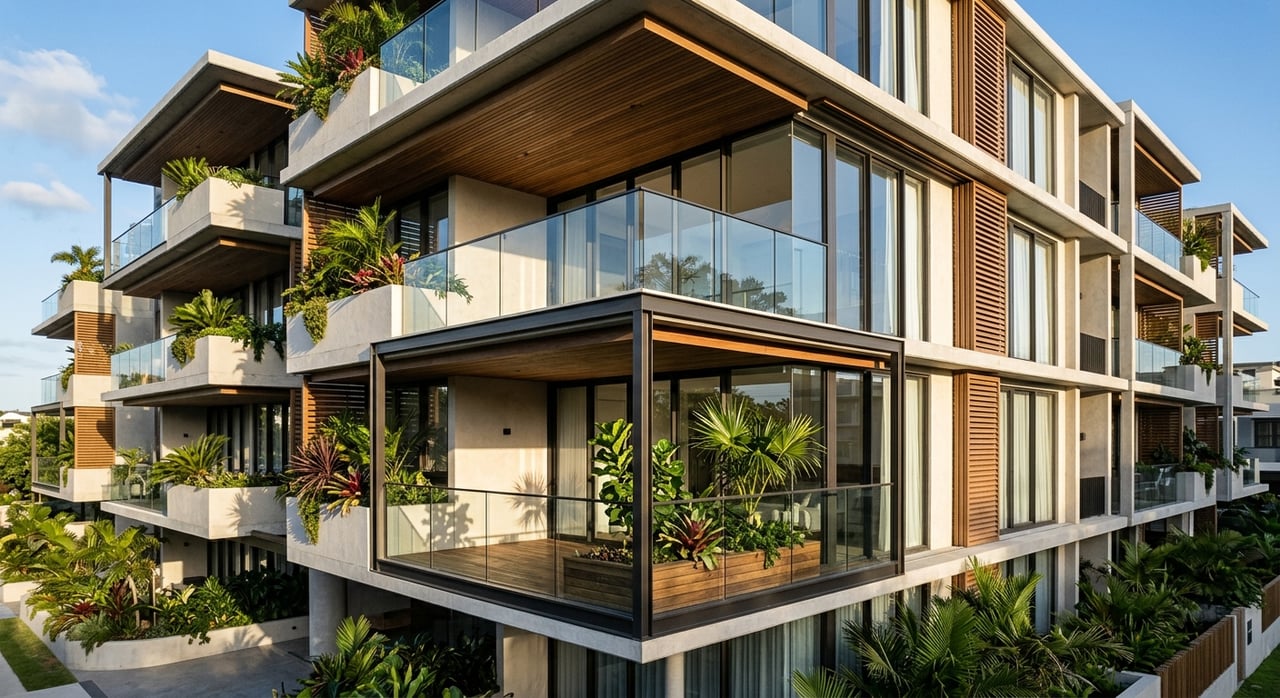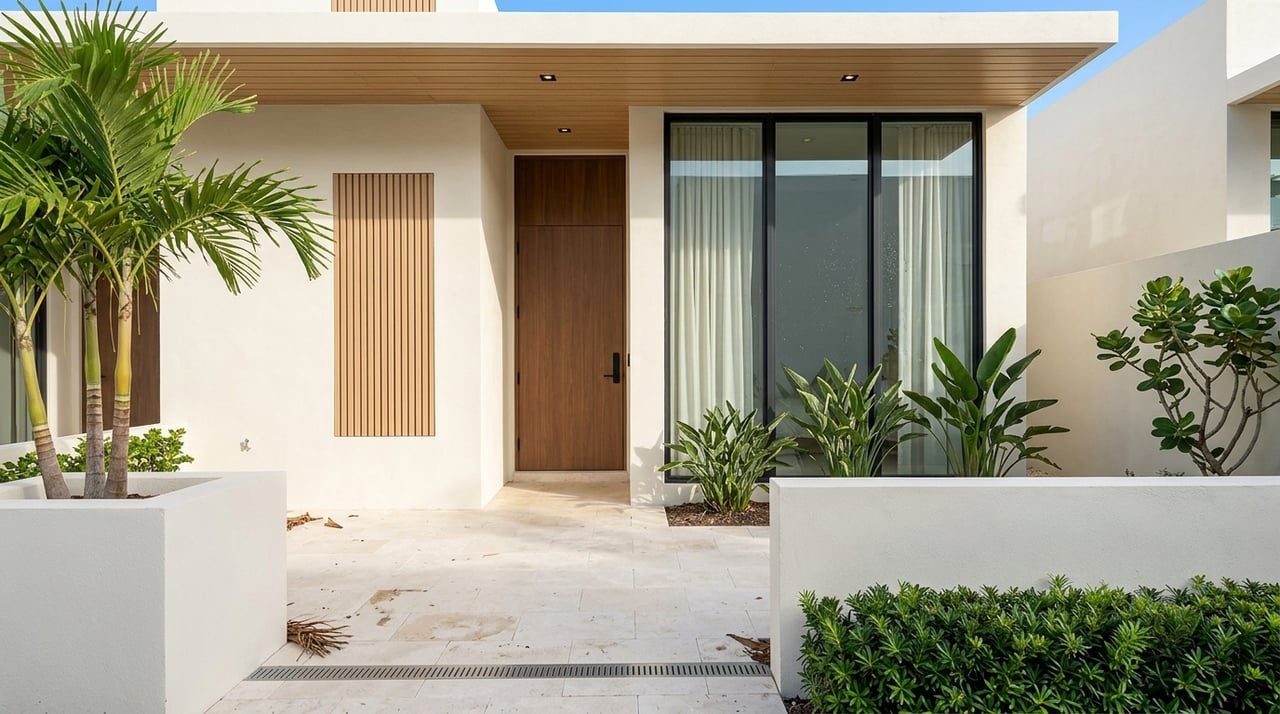
Looking at Miami condos, townhomes, and lofts can feel simple at first, until you realize those labels do not always tell you how a property is owned, maintained, or insured. If you are weighing lifestyle, budget, and long-term fit, the right choice comes down to more than aesthetics. This guide will help you understand how each option works in Miami, what tradeoffs matter most, and what to look for before you buy. Let’s dive in.
What condo, townhome, and loft mean
In Miami, these three terms do not all work the same way. Some describe legal ownership, while others describe building style or layout. That distinction matters because it affects maintenance, insurance, and day-to-day expectations.
A condominium is a legal form of ownership under Florida law. You own your unit along with an undivided share of the common elements, and the condo parcel is treated as a separate parcel of real property. In practical terms, that usually means more shared responsibility through the association.
A townhouse is a building type in Florida, typically a single-family dwelling up to three stories that is built in attached groups with property lines separating the units. In Miami, the word townhome alone does not confirm whether the property is fee simple or condo-form. That is why buyers need to review the deed and association documents carefully.
A loft is usually an architectural style, not its own ownership category. It often means an open-plan home with fewer interior walls, higher ceilings, and a more industrial or modern feel. In Miami, a loft may still be a condo or part of a rental building, so the layout does not tell you the legal structure by itself.
How ownership affects daily life
The biggest differences often show up after closing. What you maintain, what the association maintains, and what kind of insurance you need can all vary based on the legal form of the property. That is why two homes that look similar online can come with very different responsibilities.
Condo ownership in Miami
Condos tend to be the most association-driven option. Florida condo law centers on common elements, shared expenses, and association records, so you can expect more rules and more collective decision-making than you would in many other property types.
That shared structure often supports the lifestyle many buyers want in Miami. You may find elevators, security features, pools, views, and a more walkable urban setting. The tradeoff is that you will usually have more shared spaces and less private outdoor area.
Insurance is also more specific with condos. Citizens states that condo units should be insured on a unit-owners form, which makes it especially important to understand what the association insures versus what you insure individually.
Townhome ownership in Miami
Townhomes usually feel more like a traditional house. Because they are attached homes with separating property lines, they often offer direct entry, a bit more privacy, and features such as patios, garages, or rooftop space.
Still, Miami buyers should not assume all townhomes work the same way. Citizens notes that a townhouse should be insured under a homeowners or dwelling policy form, not a unit-owners form, and that the coverage should match the actual ownership structure rather than just the bylaws. That makes the declaration, insurance summary, and maintenance schedule especially important.
In other words, the paperwork matters as much as the floor plan. One townhome community may place more exterior responsibility on the association, while another may place more on you as the owner.
Loft ownership in Miami
Lofts follow the legal structure of the building they are in. If the loft is in a condo project, you should expect condo-style association obligations. If it is in a rental building, that structure works differently.
For buyers, the word loft tells you more about design than ownership. It points to open space, volume, and style, but not necessarily to who handles the roof, building systems, or exterior maintenance.
Lifestyle differences buyers feel most
The best fit often depends on how you want to live every day. Miami offers strong options in all three categories, but each one tends to suit a different set of priorities.
Why buyers choose condos
Condos are often the top choice if you want a low-maintenance urban lifestyle. They usually offer the strongest amenity package, which can include pools, elevators, security, and views that are harder to find in other property types.
That convenience comes with more shared governance. You may have more association oversight, more building rules, and less private outdoor space. If you value easy access to amenities and do not mind shared systems, a condo can be a strong fit.
Why buyers choose townhomes
Townhomes appeal to buyers who want something between a condo and a single-family home. You may get more separation from neighbors, more practical storage, and a more private entry experience.
They can be a great match if you want a house-like feel without going fully detached. At the same time, amenities are often more limited than in a high-rise condo building, and exterior maintenance responsibilities can vary widely by community.
Why buyers choose lofts
Lofts are often the most design-forward choice. They tend to feature open layouts, high ceilings, and striking finishes that create a bright, airy atmosphere.
That look comes with tradeoffs. Fewer interior walls can mean less bedroom separation, less built-in storage, and less acoustic privacy. Some owners use partitions or bookcases to create more defined zones within the space.
Miami market context matters
In Miami, the property type shapes your lifestyle, but location, view, building quality, and age often shape your budget even more. That is important to remember when comparing options across the county.
According to Miami Realtors market metrics, the Miami-Dade median sale price for townhouses and condos was $422,000 in Q1 2026. In April 2026, the countywide median reached $450,000, with 11,899 active listings and 12.9 months of supply.
Within that larger market, pricing varies significantly. In Q1 2026, the median for condo and townhome sales was $600,000 in the City of Miami and $510,000 in Miami Beach. Other submarkets showed a wide spread, including Aventura at $451,500, Coral Gables at $575,250, Doral at $500,000, Sunny Isles Beach at $465,000, and Surfside at $840,000.
That spread tells you something important. A townhome, condo, or loft label does not set value on its own. In Miami, the building experience, location, condition, and overall quality can shift pricing dramatically.
Lofts can also command a higher price per square foot because of their open space, high ceilings, and distinctive design appeal. In many cases, that premium is tied more to scarcity and style than to the legal ownership format.
Miami condo due diligence is critical
If you are considering a condo in Miami, due diligence deserves extra attention. Florida’s post-Surfside building-safety reforms created added review points for certain condominium and cooperative buildings.
Current law requires milestone inspections for condominium and cooperative buildings that are three habitable stories or more, generally at 30 years of age. In coastal areas, local enforcement agencies can require inspections at 25 years.
Florida law also required older owner-controlled condo associations to complete a structural integrity reserve study by December 31, 2025. The Florida Department of Business and Professional Regulation describes these reforms as focused on safety, accountability, and transparency.
For you as a buyer, that means it is wise to review association records carefully and understand the building’s maintenance planning. In a market as varied as Miami, strong due diligence can help you compare buildings with much more clarity.
How to choose the right fit
If you are still deciding, start with your daily priorities rather than the listing label. Think about how much privacy you want, how much shared maintenance you are comfortable with, and whether amenities or layout matter more to you.
A condo may be the best fit if you want amenities, security, and a lower-maintenance urban lifestyle. A townhome may make more sense if you want a more house-like setup with direct entry and a bit more privacy. A loft may be the right choice if open design, natural light, and architectural character matter most to you.
In Miami, the smartest move is to compare the lifestyle and the documents side by side. A polished listing can spark interest, but the real value is in understanding how the property actually lives and what it asks of you as an owner.
Whether you are buying your first Miami condo, comparing townhome communities, or searching for a loft with standout design, working with a team that understands both presentation and property details can make the process clearer. If you want tailored guidance on Miami options that fit your goals, connect with Hector A Valdes.
FAQs
What is the difference between a condo and a townhome in Miami?
- In Miami, a condo is a legal ownership form under Florida law, while a townhome is a building type. A townhome may be fee simple or condo-form, so you need to review the deed and association documents to know how ownership and maintenance are structured.
Is a loft the same as a condo in Miami?
- Not necessarily. A loft usually describes an open-plan architectural style, while a condo describes legal ownership. A loft in Miami can be a condo, or it can exist in another type of building.
Are condos or townhomes easier to maintain in Miami?
- Condos often offer a lower-maintenance lifestyle because more building elements are shared through the association, but that also means more association oversight. Townhomes may offer more privacy and direct entry, though maintenance responsibilities can vary significantly by community.
Why do Miami townhome documents matter so much?
- Townhome ownership in Miami can vary by project, and insurance should match the actual ownership structure. Reviewing the declaration, insurance summary, and maintenance schedule helps you understand who is responsible for what.
What should condo buyers review in Miami buildings?
- Condo buyers in Miami should pay close attention to association records, shared expenses, and building-safety-related documents. For certain buildings, milestone inspections and structural reserve planning are especially important parts of due diligence.
How much do condos and townhomes cost in Miami-Dade?
- Miami-Dade’s median sale price for townhouses and condos was $422,000 in Q1 2026, and the countywide median reached $450,000 in April 2026. Pricing varies widely by submarket, with Q1 2026 medians including $600,000 in Miami and $510,000 in Miami Beach.