Torn between waking to the Atlantic surf or watching the sun set over Biscayne Bay’s calm water? You are not alone. If you are relocating or buying a second home in Miami, choosing between oceanfront and bayfront living shapes your daily rhythm, costs, and access to the water. In this guide, you will learn the real lifestyle tradeoffs, what to expect in key neighborhoods, and how to evaluate insurance and permitting before you buy. Let’s dive in.
Oceanfront vs bayfront at a glance
- Oceanfront: Direct beach access, wide‑open horizon views, and the sound of surf. Expect more tourism activity and buildings designed to maximize Atlantic exposure in areas like Sunny Isles and Miami Beach. Recent market snapshots highlight high-rise luxury inventory and premium pricing for unobstructed ocean views.
- Bayfront: Calmer water, skyline and island views, and everyday boating convenience. Private docks and seawalls are more common, and you will rely on marinas and sheltered channels for easy outings on Biscayne Bay. Miami offers many marina options for daily use, but expect competition for slips at popular facilities, according to local marina guides.
Views and vibe
Oceanfront scenery
Oceanfront living frames your world with the Atlantic horizon, dunes, and broad sandy beaches. Many towers are oriented for sunrise views and flow‑through floor plans that capture ocean breezes and light, especially in Sunny Isles and Mid‑ to South Beach. Market coverage notes that prime ocean exposures command top prices in luxury towers, reflecting the rarity and drama of the view documented in local reports.
Bayfront scenery
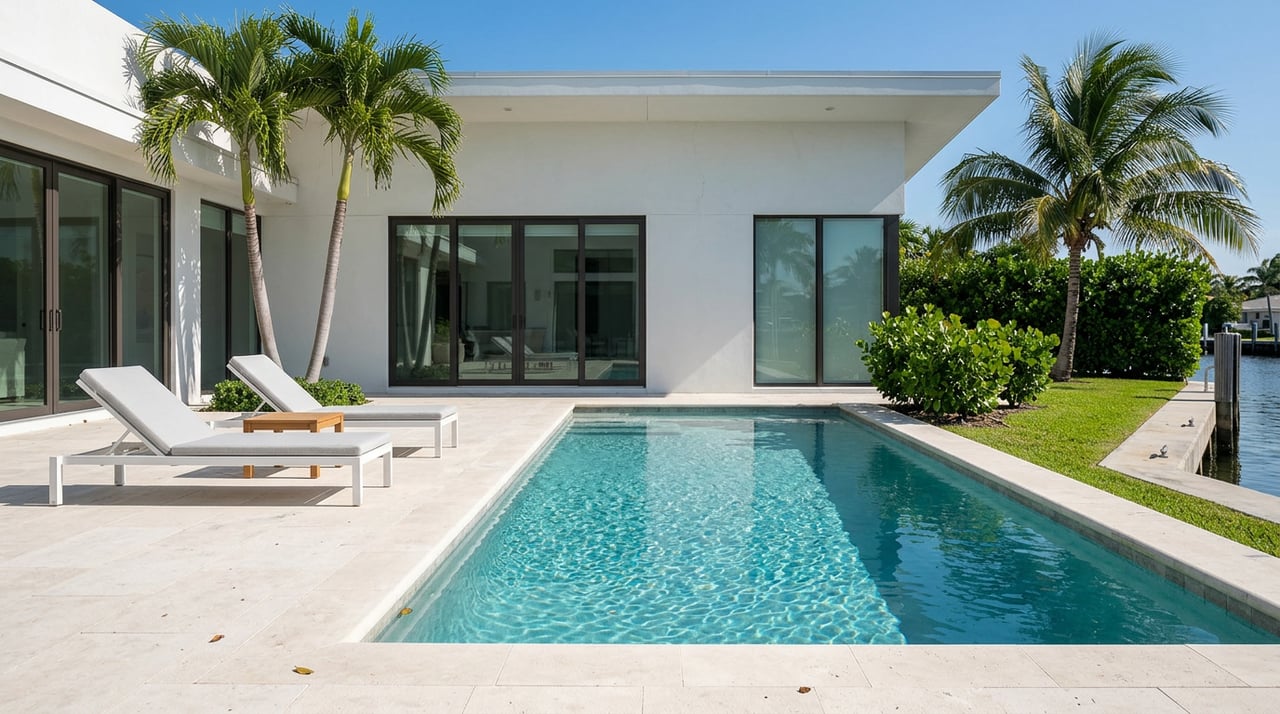
Bayfront homes and condos look onto mirror‑calm water, city lights, and small islands that create a park‑like feel. Think Venetian Islands’ low-rise streets and skyline panoramas across the bay. For a sense of the setting, explore the Venetian Islands background. Sunsets, night views, and sheltered water define the mood.
Beach time and daily access
Oceanfront: beach at your door
If your priority is sand underfoot, oceanfront wins. In Florida, the wet sand below the mean high‑water line is held in public trust, and public access to beaches is long established, while dry‑sand customary‑use rules can be complex. The bottom line for you: expect public access points, promenades, and an active beach culture along Miami Beach and South Beach. For a plain‑English legal primer, see this Florida Bar discussion of beach access.
Bayfront: docks and marinas
Most bayfront lots do not have sandy beaches. You will see seawalls, docks, boat lifts, and ramps instead. If you want easy paddleboarding or to keep a center console at home, bayfront delivers. For beach days, you will drive or boat to ocean beaches, and for slips or storage, consult Miami’s marina listings.
Boating and marinas
Biscayne Bay is Miami’s day‑boating hub, with calm water, island picnics, and straightforward channels. This makes bayfront living especially convenient for frequent boaters. Wet slips are in demand, with waitlists and premium monthly costs at desirable marinas, per local marina guidance.
For offshore trips, oceanfront owners typically launch from protected marinas and use inlets like Government Cut or Haulover to reach open water. Daily ocean docking is rare due to wave action, so proximity to a protected facility matters regardless of which waterfront you choose.
Noise, crowds, and rhythm
Oceanfront energy
Oceanfront neighborhoods like Miami Beach and South Beach are true destinations, with active daytime beach scenes and a strong hospitality footprint. Expect higher pedestrian and traffic volumes during peak season, festivals, and holidays, as highlighted by local attraction guides. If you love being in the center of the action, this suits you.
Bayfront calm, with urban pockets
Many bayfront areas feel more residential day to day. Edgewater and parts of Coconut Grove can offer leafy streets and waterfront promenades, while zones near downtown marinas or Bayside feel busier. Luxury bayfront condos in select buildings can match oceanfront price points where the view and product quality align, per market reports.
Property types and price signals
- Oceanfront inventory: High‑rise luxury towers and resort‑style condos with private beach amenities, plus select single‑family options in Key Biscayne and Bal Harbour. Unobstructed Atlantic exposures tend to command higher per‑square‑foot prices in top buildings, as covered in local market analyses.
- Bayfront inventory: A mix of Brickell and Edgewater high‑rises, island single‑family homes with docks on the Venetian Islands, and established waterfront neighborhoods in Coconut Grove. Pricing varies by micro‑market, tower, and specific view; certain bayfront condos with skyline panoramas can rival oceanfront pricing, according to the same market coverage.
Flood, insurance, and permitting
Miami‑Dade is investing in resilience planning around sea‑level rise, king tides, and coastal storm surge. As a buyer, you should treat flood exposure and adaptation as material factors and review county resources like Miami‑Dade’s resilience initiatives.
Flood insurance under FEMA’s Risk Rating 2.0 is now priced based on property‑specific variables like elevation, distance to water, and rebuilding cost, not just old zone labels. Two similar‑looking homes can have very different premiums. Always get an address‑specific quote early in your search using the FEMA Risk Rating 2.0 overview as your framework.
If you plan shoreline work on a bayfront lot, expect layered approvals. Miami‑Dade recently updated seawall and bulkhead permitting to modernize standards and streamline review timelines. Review the county’s seawall permitting update and be aware that state and sometimes federal rules can also apply in protected areas like the Biscayne Bay Aquatic Preserve, which safeguards sensitive seagrass habitats described here.
Neighborhood snapshots
- Miami Beach / South Beach (oceanfront): Iconic beaches, walkable promenades, and a lively hospitality scene. Ideal if you want daily beach access and an active environment, as seen in local highlights.
- Sunny Isles, Bal Harbour, Surfside (oceanfront): A corridor of full‑service, luxury towers with private beach amenities and branded residences. Designed for privacy, service, and uninterrupted ocean views, consistent with market snapshots.
- Key Biscayne (both): An island lifestyle with ocean beaches and bay access, plus single‑family homes and boutique condos. If you want beach time and sheltered boating options, explore the area around Biscayne National Park access.
- Edgewater, Brickell, Brickell Key (bayfront): High‑rise living with bay and skyline views, urban amenities, and easy access to marinas. Brickell Key offers a quieter island feel with direct bay frontage.
- Venetian Islands and Coconut Grove (bayfront): Single‑family waterfront lots with private docks and a more residential scale. The Venetian Islands overview offers helpful context for the island setting.
Buyer checklist: choose with confidence
Use this quick list to align your lifestyle goals with the practical realities of ownership:
- Confirm flood risk and insurance early. Ask for elevation certificates and get address‑specific NFIP/private quotes before you shop. FEMA’s Risk Rating 2.0 ties premiums to first‑floor height, distance to water, and rebuild cost. Reference the Risk Rating 2.0 overview.
- Dial in dock and marina logistics. If boating matters, verify private dock rights, lift capacity, channel depth, and bridge clearance. Ask for HOA marina policies and current waitlists. Use Miami marina guides to understand local options.
- Check seawalls and permits. Request past permits, inspection reports, and maintenance plans for any seawall or dock. Review the Miami‑Dade seawall permitting update and be prepared for county and state involvement.
- Assess noise across seasons. Visit weekday and weekend, high and low season, to measure tourism energy on oceanfront blocks versus residential calm in many bayfront areas. Start with local attraction calendars to time your visits.
- Budget for true carrying costs. Account for HOA fees, insurance, dockage, and routine seawall or lift upkeep. If you plan to own a boat, include slip or storage costs using practical ownership cost guides.
Which waterfront fits you?
- Choose oceanfront if daily beach walks, horizon sunrises, and a lively hospitality scene are musts. You accept more visitors on your block and will rely on protected marinas for offshore boating.
- Choose bayfront if calm water, sunset and skyline views, and everyday boating convenience top your list. You are comfortable managing seawall and dock considerations and living without a sandy beach out back.
If you are still torn, spend a weekend in each setting and compare how you feel in the morning and evening. Make your short list, then layer in insurance quotes, dock logistics, and any planned shoreline work so your dream home aligns with your long‑term plans.
Ready to weigh your options with local insight, data, and a clear plan? Connect with Hector A Valdes for a refined, high‑touch approach to Miami waterfront buying.
FAQs
What is the difference between oceanfront and bayfront living in Miami?
- Oceanfront offers direct beach access and open‑ocean views, while bayfront provides calmer water, skyline views, and better day‑to‑day boating via marinas and private docks.
Can a bayfront home in Miami have a sandy beach?
- Rarely; most bayfront lots have seawalls and docks rather than sand, and residents use marinas or nearby public beaches for swimming and lounging.
Is oceanfront in Miami safer in storms than bayfront?
- Not automatically; oceanfront faces wave action and bayfront can concentrate surge, so site elevation, first‑floor height, seawalls, and local infrastructure drive actual risk and insurance.
How hard is it to get a marina slip in Miami?
- Desirable wet slips are limited and often have waitlists and higher monthly fees, so plan early and factor marina or HOA dock costs into your budget.
What permits might I need for a bayfront dock or seawall in Miami‑Dade?
- Expect county review, plus state and sometimes federal input; check recent Miami‑Dade seawall permitting updates, past permits, and inspection records before you buy or build.