
South Florida’s architectural landscape is a sun-kissed canvas painted with rich textures, pastel hues, and old-world elegance. Among the most iconic styles that define the region’s identity is Mediterranean Revival architecture—a romantic, eclectic design movement that found its spiritual home amid the palm trees and breezy coastlines of South Florida in the early 20th century.
What is Mediterranean Revival Architecture?
Mediterranean Revival is a blend of architectural styles inspired by the seaside villas of Spain, Italy, southern France, and North Africa. It emerged in the United States during the 1910s and gained popularity through the 1920s and 1930s, especially in warm coastal regions like Florida and California.
This style captures the essence of Old World charm while adapting gracefully to a tropical climate, making it a perfect match for South Florida's lush, sun-drenched environment.
Hallmarks of Mediterranean Revival Style
You can recognize a Mediterranean Revival building by these hallmark features:
- Stucco walls (often white or earth-toned)
- Red clay barrel tile roofs
- Arched windows and doorways
- Wrought iron balconies and details
- Ornamental columns and arcades
- Lush courtyards and loggias
- Decorative tile work and carved stone
These elements come together to create an atmosphere that feels both regal and relaxed—perfectly suited to South Florida’s blend of glamour and leisure.
The Rise of Mediterranean Revival in South Florida
The 1920s Florida Land Boom transformed Miami, Coral Gables, Palm Beach, and other cities into glamorous vacation and investment hotspots. Developers and architects sought a style that projected luxury, exoticism, and permanence—and Mediterranean Revival fit the bill.
Influential Figures:
- Addison Mizner, often called the father of Palm Beach architecture, pioneered the style with his opulent villas and hotels.
- Maurice Fatio brought European sophistication to residential architecture.
- George Merrick, the visionary behind Coral Gables, used Mediterranean Revival as the signature style for his “City Beautiful” master plan.
Their legacy still defines the architectural character of many South Florida neighborhoods.
Notable Examples
- The Breakers Hotel in Palm Beach: A Mizner-inspired masterpiece with Italian Renaissance overtones.
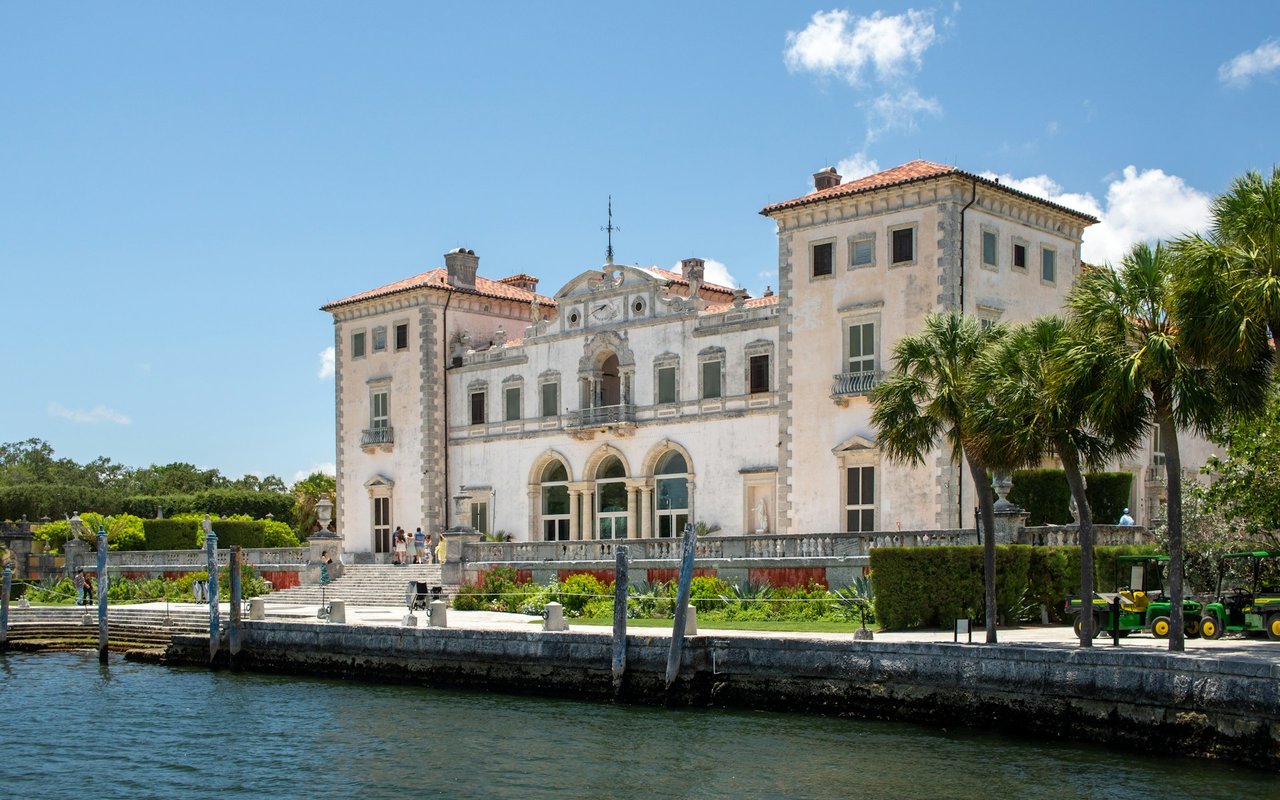
- Vizcaya Museum & Gardens in Miami: A Mediterranean palace with lush gardens and classical sculptures.
- Coral Gables City Hall: A public building that captures the essence of Mediterranean elegance.
- El Jardin (Carrollton School of the Sacred Heart): A Mizner-era estate tucked into Coconut Grove.
Mediterranean Revival Today
While the 1920s boom faded, the Mediterranean Revival style never truly went out of fashion. Many new developments continue to borrow from its palette and proportions. Historic preservation efforts in cities like Coral Gables ensure that original homes and civic buildings are restored and celebrated.
The style also plays a major role in real estate marketing. Homes with Mediterranean details often command premium prices, appealing to buyers drawn to the elegance, craftsmanship, and tropical vibe the style offers.
Why It Still Works in South Florida
- Climate-responsive: Thick stucco walls and tile roofs help insulate against heat.
- Aesthetic harmony: The rustic yet refined look pairs beautifully with palms, bougainvillea, and coastal light.
- Timeless luxury: The style evokes a sense of history and wealth without being ostentatious.
Final Thoughts
Mediterranean Revival architecture has long defined the luxury real estate landscape of South Florida. Rooted in Spanish and Italian design, these homes feature stucco exteriors, red-tile roofs, wrought-iron detailing, and arched windows and doorways. This romantic style rose to prominence in the 1920s and still holds its value today due to its timeless charm and historical significance. You’ll find stunning examples in Coral Gables, West Palm Beach, and older sections of Miami Beach. Buyers love these homes for their character, scale, and nostalgic elegance—often complemented by lush courtyards, grand entrances, and artisan craftsmanship.